
Preventing Water Leaks in Your Home
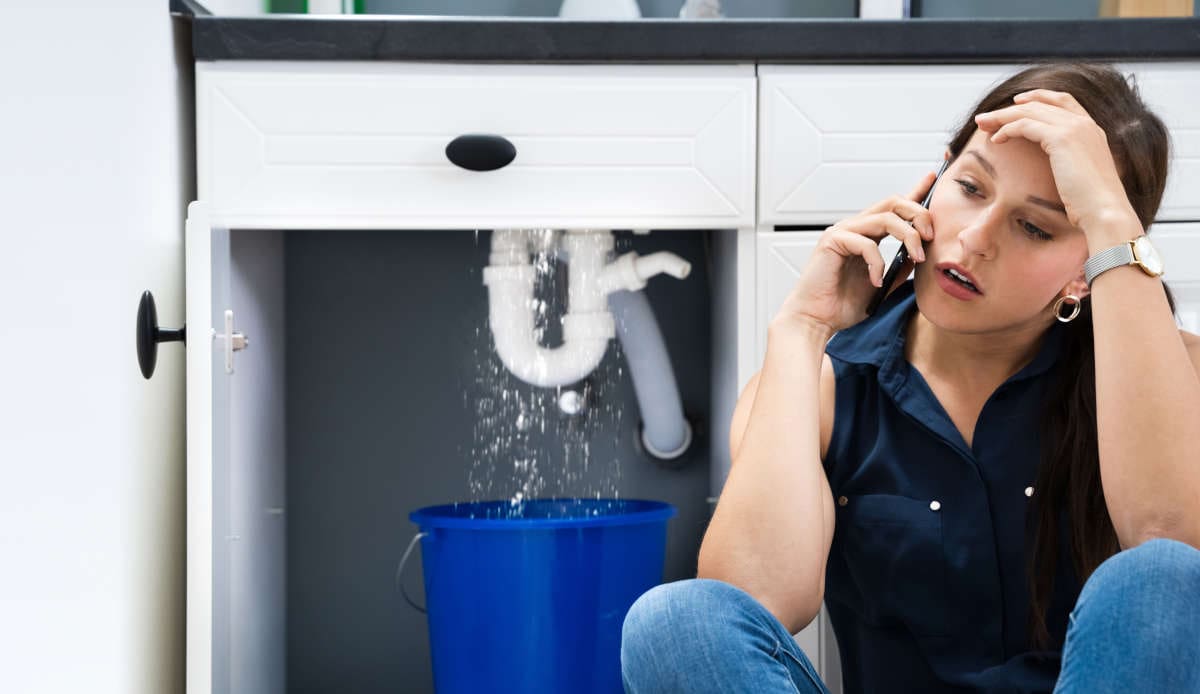
Water is a fundamental resource in our daily lives, but when it escapes the confines of your plumbing system, it can quickly become a homeowner’s worst nightmare. Unnoticed moisture can rot wood, damage foundations, and destroy cherished belongings. The key to protecting your property lies in proactive plumbing maintenance and knowing exactly what to look for before a minor drip turns into a catastrophic flood.
By understanding the mechanics of your home’s water system and implementing a few preventative strategies, you can save yourself from immense stress and financial strain down the road.
The Hidden Costs and Dangers of Moisture
Ignoring small drips is an expensive mistake. Beyond the immediate structural damage that water leaks cause, the secondary effects can be highly detrimental to your family’s well-being. One of the most severe consequences of long-term indoor moisture is the black mold health risks from dampness. Mold spores can multiply rapidly behind drywall or under floorboards, triggering respiratory issues, allergies, and severe asthma attacks.
Furthermore, water leaks are a primary culprit behind wasted resources. If you have recently opened your mail to a shock, it is worth noting that hidden leaks are among the most common unexpected utility bill increase causes. A pipe losing just one drip per second can waste over 3,000 gallons of water a year.
Telltale Signs of Trouble
Learning how to find hidden plumbing issues is an invaluable skill for any homeowner. Because pipes are largely tucked away behind walls and under floors, problems often remain invisible until the damage is already done.
Here are a few ways to spot early warning signs:
- The Meter Test: Turn off all water in your house and check your water meter. If the dial is still moving, you have an active leak.
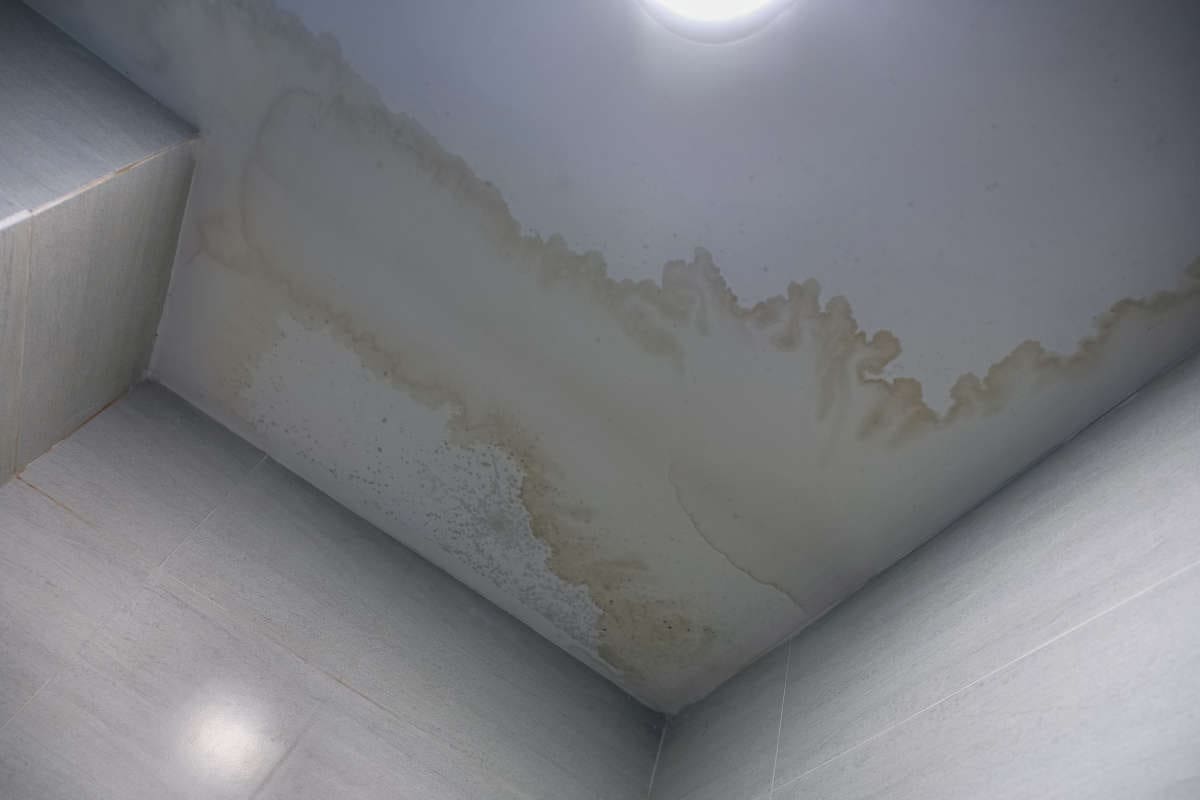
- Visual Cues: Pay close attention to your drywall. Identifying ceiling stains from upstairs bathrooms is a classic, undeniable indicator of a compromised pipe or failing shower seal above.
- Musty Odors: A persistent earthy smell in your home often points to hidden pooling water.
- Peeling Paint or Wallpaper: Moisture behind the walls disrupts adhesion, causing paint to blister and wallpaper to peel.
Tackling Common Indoor Fixture Leaks
Not all plumbing disasters happen behind walls. In fact, many water leaks originate from the fixtures we use every single day. A toilet that constantly runs, for example, can waste hundreds of gallons of water daily. Fortunately, fixing a running toilet flush valve is usually a simple DIY task that involves replacing a worn-out rubber flapper or adjusting the float chain inside the tank.
For exposed pipes under kitchen or bathroom sinks, you might occasionally spot a sudden fracture. While you should always call a professional for a permanent fix, keeping emergency pipe repair tape for cracks in your toolbox allows you to temporarily bind the split and prevent cabinet water damage until help arrives.
Severe Structural and Outdoor Threats
While a dripping faucet is annoying, structural leaks pose a severe threat to your home’s integrity.
Slab Leaks
Homes built on concrete slabs are susceptible to underground pipe bursts. It is critical to recognize the symptoms of slab leakage in concrete foundations, which include unexplained warm spots on your flooring, the sound of running water when all fixtures are off, or sudden cracks in your floor tiles.
Basement Moisture
Down in the lower levels of your home, poor exterior drainage can lead to immense hydrostatic pressure and basement moisture. This occurs when groundwater builds up against your foundation walls, literally forcing moisture through microscopic pores in the concrete and causing a perpetually damp, mold-prone basement. Proper gutter routing and a functional sump pump are essential to alleviate this pressure.
Yard and Main Line Leaks
Your home’s plumbing extends beyond your exterior walls. Detecting underground main line seepage requires a keen eye on your landscaping. If you notice unusually lush, fast-growing patches of grass, sudden sinkholes, or muddy pools in your yard during a dry spell, your main water service line may be compromised.
Modern Water Leak Detection Technology
Gone are the days when plumbers had to tear up your entire floor just to find a broken pipe. Today, professional water leak detection relies on highly sophisticated, non-invasive technology.
Experts frequently utilize ultrasonic pipe inspection equipment to “listen” through walls and concrete. This acoustic technology pinpoints the exact location of a high-pressure breach by detecting the unique high-frequency hiss of escaping water, saving you thousands of dollars in unnecessary drywall or foundation repair.
Proactive Prevention and Upgrades
The most effective way to deal with leaks is to prevent them from happening in the first place. This requires a mix of routine checks and modern upgrades.
Annual Maintenance
Every homeowner should create and follow an annual plumbing maintenance checklist. This routine should include:
- Inspecting washing machine hoses for bulges.
- Checking the water heater for rust or pooling water at the base.
- Testing the main water shut-off valve to ensure it turns easily.
- Looking under all sinks for signs of moisture or corrosion.
Pressure Management
High water pressure might feel great in the shower, but it wreaks havoc on your pipe joints and appliance valves. Investing in high water pressure damage prevention by installing a pressure-reducing valve (PRV) ensures your system operates at a safe 40 to 60 psi, drastically reducing the likelihood of a blowout.
Material Upgrades
If you live in an older home, your pipes might be nearing the end of their lifespan. When considering repiping, you will likely need to evaluate pex vs copper piping durability. Copper is highly resilient and naturally bacteria-resistant, while PEX (cross-linked polyethylene) is flexible, highly resistant to freezing and bursting, and generally more cost-effective to install.
Smart Home Security
For ultimate peace of mind, embrace modern technology. When assessing a smart shut-off valve vs manual sensors, the smart system is clearly superior for damage prevention. While manual sensors will sound an alarm if they detect moisture, a smart valve connects to your Wi-Fi and automatically shuts off the main water supply the moment anomalous water flow is detected, protecting your home even when you are away on vacation.
Navigating Insurance
Even with the best preparations, accidents can still happen. It is vital to routinely review your policy to understand your homeowners insurance coverage for burst pipes. Generally, sudden and accidental water damage is covered, but claims can be denied if the insurer determines the leak was the result of long-term neglect or a lack of routine maintenance.
When to Call a Professional for Expert Service
Some leaks are small enough to handle yourself with a quick part swap from the hardware store. Others need professional eyes, professional tools, and the experience to recognize what’s really happening behind the surface. If you see ceiling stains, hear running water with no fixtures on, smell mold without knowing where it’s coming from, or watch your water bill climb without explanation, it’s time to call someone who can find the source quickly and fix it before the damage spreads.
1-855-MegaPro has been helping Dallas-Fort Worth families catch and repair leaks of every type, from the smallest faucet drip to the most challenging slab leak.
Call (972) 298-8600 today or contact us online to schedule a plumbing inspection or leak repair service.
Disclaimer: The information provided in the following blog articles is intended for general informational and educational purposes only. The topics and recommendations discussed are not intended to serve as a diagnosis or comprehensive solution for every plumbing issue. Plumbing problems can vary depending on the specific circumstances, and attempting to address certain issues without professional guidance may result in further damage or safety concerns. When in doubt, it is recommended that you consult with a licensed plumbing professional for an accurate assessment and appropriate recommendations for your specific situation.